Las mejores playasBest Beaches
¿Cuáles son las mejores playas de Miami?What are the best beaches in Miami?
Miami no tiene una playa: tiene un elenco de personalidades repartidas en más de 20 millas de arena, del desfile de Ocean Drive a un faro de 1825 escondido tras las dunas. El truco no es buscar «la mejor», sino la tuya: laguna mansa para los niños, viento parejo para el kite o silencio con pedigrí en Bal Harbour. Esta es la guía honesta, con parking, banderas y hasta el sargazo incluido.Miami doesn't have one beach — it has a cast of personalities spread across 20-plus miles of sand, from the Ocean Drive parade to an 1825 lighthouse hidden behind the dunes. The trick isn't finding "the best" one, it's finding yours: lagoon-calm shallows for the kids, steady wind for kiters, or hushed luxury at Bal Harbour. Here's the honest guide — parking, flags, and yes, even the sargassum.
Actualizada el Updated
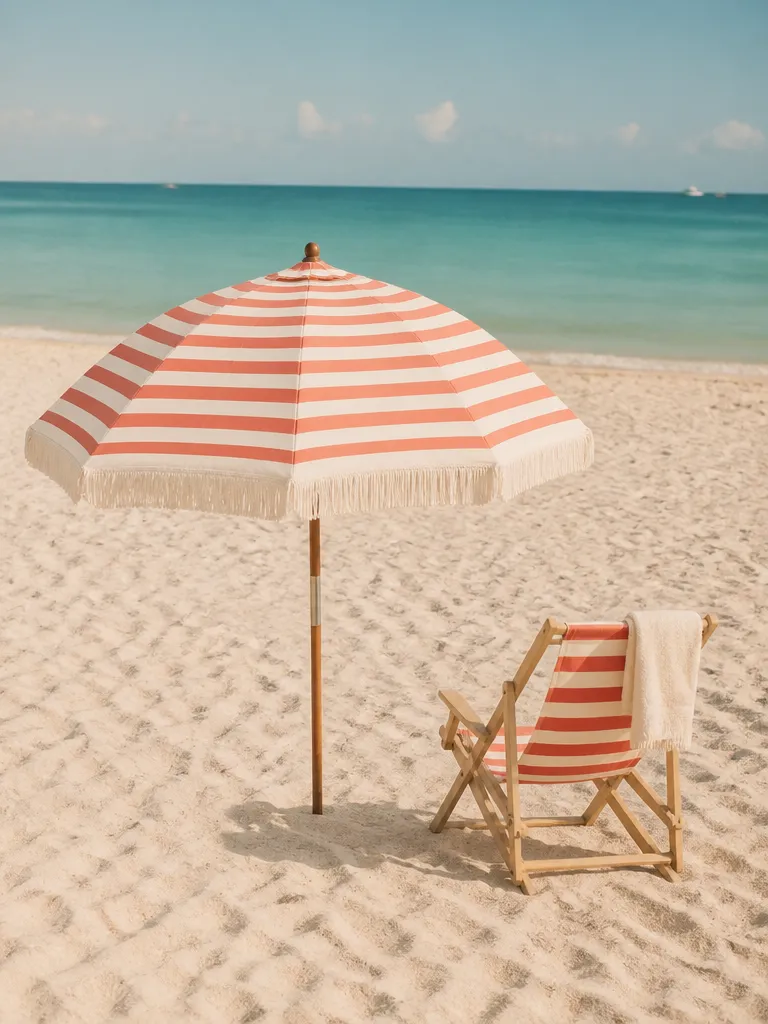
South Beach y Lummus Park: la postal que sí cumpleSouth Beach & Lummus Park: The Postcard That Delivers
Entre las calles 5 y 15, frente a los hoteles art déco de Ocean Drive, Lummus Park es la Miami de las películas: arena ancha y blanca, palmeras en formación y las famosas casetas de salvavidas pintadas como caramelos, cada una distinta. Es la playa para ver y dejarse ver: música, vóley, cuerpos de gimnasio y turistas en cincuenta idiomas. El agua suele ser amable, con torres de salvavidas cada pocas cuadras y banderas izadas a diario. ¿Parking? Olvídate de Ocean Drive: usa los garajes municipales de 7th o 13th Street y llega antes de las 10 a.m. El combo de camastro y sombrilla ronda los $20–30 por día, y fuera de hora pico los vendedores negocian. Ojo esta semana: Lummus Park alberga las watch parties oficiales del Mundial hasta el 15 de julio; espera multitudes, calles cerradas alrededor de Ocean Drive y parking agotado los días de partido (cuartos de final el sábado 11). Considera Crandon o el norte esos días.Between 5th and 15th Streets, fronting Ocean Drive's Art Deco hotels, Lummus Park is postcard Miami: a wide ribbon of white sand, palm trees in formation, and those candy-colored lifeguard towers, no two alike. This is the beach for seeing and being seen — music, beach volleyball, gym-built bodies and tourists chatting in fifty languages. The water is usually friendly, with lifeguard towers every few blocks and warning flags raised daily. Parking? Forget Ocean Drive itself: head for the municipal garages on 7th or 13th Street and arrive before 10 a.m. A lounger-and-umbrella combo runs about $20–30 for the day, and vendors will haggle outside peak hours. Heads-up this week: Lummus Park is hosting the official World Cup watch parties through July 15 — expect crowds, street closures around Ocean Drive and sold-out parking on match days (quarterfinals this Saturday the 11th). Consider Crandon or the beaches up north on those days.
Crandon Park: la laguna mansa de Key BiscayneCrandon Park: Key Biscayne's Gentle Lagoon
Crandon Park, en Key Biscayne, es la playa mansa de Miami: un banco de arena frente a la orilla amansa el oleaje y deja el mar plano como laguna, perfecto para niños que apenas flotan y adultos que quieren nadar sin pelear contra las olas. Para llegar, cruza el Rickenbacker Causeway —peaje de $3.25 con SunPass o $6.50 por placa (Toll-by-Plate); la mayoría de autos de alquiler cobran la tarifa por placa— y el volumen baja de golpe. Son unas dos millas de arena. Hay torres de salvavidas, mesas de picnic con parrillas, cabañas de alquiler y estacionamiento para más de 3,000 autos que, aun así, se llena los fines de semana. Se paga por día: $7 + impuesto de lunes a jueves, $10 de viernes a domingo y feriados, vía PayByPhone. El sector norte es el más calmado y bajito; el parking cuesta, pero la playa es gratis.Crandon Park, on Key Biscayne, is Miami's calm-water beach: an offshore sandbar tames the surf and leaves the water lagoon-flat, perfect for kids who barely float and adults who want to actually swim instead of fighting waves. To get there, cross the Rickenbacker Causeway — a $3.25 toll with SunPass or $6.50 by plate (Toll-by-Plate); most rental cars get billed the plate rate — and the volume drops instantly. It unrolls about two miles of sand. There are lifeguard towers, picnic tables with grills, cabana rentals and parking for over 3,000 cars — which still fills up on weekends. You pay by the day through PayByPhone: $7 plus tax Monday through Thursday, $10 Friday through Sunday and holidays. The northern stretch is the calmest and shallowest. The parking costs money; the beach itself is free.
- Peaje del Rickenbacker Causeway: $3.25 con SunPass o $6.50 por placa (Toll-by-Plate).Rickenbacker Causeway toll: $3.25 with SunPass or $6.50 by plate (Toll-by-Plate).
- Parking por día vía PayByPhone: $7 + impuesto de lunes a jueves, $10 de viernes a domingo y feriados.Day parking via PayByPhone: $7 plus tax Monday–Thursday, $10 Friday–Sunday and holidays.
- El sector norte es el más calmado y bajito: ideal con niños pequeños.The northern stretch is the calmest and shallowest — ideal with small kids.
Bill Baggs: dunas, silencio y un faro de 1825Bill Baggs: Dunes, Quiet, and an 1825 Lighthouse
En la punta sur de Key Biscayne, Bill Baggs Cape Florida State Park es la playa «salvaje» de Miami: dunas, uvas de playa y cerca de una milla de arena sin edificios encima, coronada por el faro de Cape Florida, encendido por primera vez en 1825 y considerado la estructura más antigua en pie de Miami-Dade. La entrada cuesta $8 por vehículo (de 2 a 8 personas; $4 si manejas solo) y el parque abre de 8 a.m. al atardecer. Los tours al faro están incluidos con la entrada; verifica días y horarios en el sitio oficial antes de ir. Es para quienes quieren caminar, pedalear y sentir que Miami quedó lejos. Nada cerca de las zonas vigiladas y tómate las banderas en serio: las corrientes de la punta no son broma.At the southern tip of Key Biscayne, Bill Baggs Cape Florida State Park is Miami's "wild" beach: dunes, sea grapes and about a mile of sand with no towers looming over it, crowned by the Cape Florida Lighthouse — first lit in 1825 and considered the oldest standing structure in Miami-Dade County. Entry costs $8 per vehicle (2–8 people; $4 if you're driving solo), and the park runs from 8 a.m. to sundown. Lighthouse tours are included with admission; check days and times on the official site before you go. This one is for people who want to walk, ride a bike and feel like Miami is far away. Swim near the watched areas and take the flags seriously — currents off the point are no joke.
Bal Harbour y Surfside: el norte que susurraBal Harbour & Surfside: The Quiet North
Bal Harbour y Surfside son las mejores playas de Miami para quien busca mar bonito sin música ni multitudes: al norte de Miami Beach, el ritmo baja a susurro. En Bal Harbour, la playa que bordea los resorts de lujo es pública: entra por 96th Street y Collins y encontrarás arena cuidada, mar tranquilo y el Beach Path, un sendero de una milla sombreado por uvas de playa, con carriles separados para caminar y pedalear y bancas frente al océano. El parking es de parquímetro en la calle y el tiempo es corto, así que llega temprano. Justo al sur, Surfside es la versión de barrio: familias locales, edificios bajos y cero espectáculo. Eso sí, el estacionamiento para visitantes cuesta $5 por hora con máximo de tres horas; por eso muchos suben en el bus 119 por Collins.Bal Harbour and Surfside are Miami's best beaches for anyone who wants a beautiful ocean without music or crowds: north of Miami Beach, the rhythm drops to a whisper. In Bal Harbour, the beach fronting the luxury resorts is public: enter at 96th Street and Collins for groomed sand, gentle water and the Beach Path — a mile-long trail shaded by sea grapes, with separate lanes for walking and cycling and benches facing the ocean. Street parking is metered and time limits are short, so come early. Just south, Surfside is the neighborhood version: local families, low-rise buildings, zero spectacle. Fair warning — visitor parking runs $5 per hour with a three-hour cap, which is why many people simply ride the 119 bus up Collins.
Haulover y Virginia Key: donde manda el vientoHaulover & Virginia Key: Where the Wind Calls the Shots
Haulover Park, cruzando el inlet al norte de Bal Harbour, es la playa más versátil de la lista: milla y media de arena con dunas a la espalda, un banco de arena amable para flotar, un campo junto a la bahía para volar cometas y, cuando sopla el este, kiters cosiendo el cielo. Del lado de la bahía está el célebre sandbar de Haulover, donde los botes anclan a media fiesta. Y sí: el extremo norte, entre las torres de salvavidas 12 y 15, es la playa naturista legal de Miami desde inicios de los noventa, vigilada y bien señalizada; si no es tu plan, quédate al sur. Parking: $7 entre semana y $10 de viernes a domingo (+$1 en los lotes norte), vía PayByPhone. Virginia Key es otra película: en Hobie Beach —la «Windsurfer Beach»— el agua plana de la bahía y el viento constante mandan para windsurf, wing y SUP, con el skyline de Brickell de fondo.Haulover Park, across the inlet north of Bal Harbour, is the most versatile beach on this list: a mile and a half of dune-backed sand, a friendly sandbar for floating, a bayside field for kite flying, and kiteboarders stitching the sky when the east wind blows. On the bay side sits the famous Haulover Sandbar, where boats anchor mid-party. And yes — the north end, between lifeguard towers 12 and 15, has been Miami's legal clothing-optional beach since the early nineties, lifeguarded and clearly signed; if that's not your plan, simply stay south. Parking is $7 on weekdays and $10 Friday through Sunday (plus $1 at the northern lots), via PayByPhone. Virginia Key is a different film entirely: at Hobie Beach — "Windsurfer Beach" — flat bay water and steady wind rule for windsurfing, wing foiling and paddleboarding, with the Brickell skyline as a backdrop.
- Haulover: milla y media de arena con dunas, parking $7 entre semana y $10 de viernes a domingo (+$1 en los lotes norte), vía PayByPhone.Haulover: a mile and a half of dune-backed sand; parking $7 weekdays, $10 Friday–Sunday (plus $1 at the northern lots), via PayByPhone.
- Playa naturista legal: extremo norte de Haulover, entre las torres de salvavidas 12 y 15, vigilada y señalizada.Legal clothing-optional beach: Haulover's north end, between lifeguard towers 12 and 15, lifeguarded and signed.
- Windsurf, wing y SUP: Hobie Beach («Windsurfer Beach») en Virginia Key, agua plana de bahía y viento constante.Windsurfing, winging and SUP: Hobie Beach ("Windsurfer Beach") on Virginia Key — flat bay water, steady wind.
Banderas, horarios y sargazo: lee la playa como localFlags, Timing, and Sargassum: Read the Beach Like a Local
La hora dorada de las playas de Miami es la mañana: de 7 a 11 tienes luz suave, agua más clara, parking fácil y ventaja sobre las tormentas eléctricas que en verano barren la costa casi todas las tardes. Aprende el idioma de las banderas: verde, mar calmado; amarilla, precaución; roja, corrientes fuertes; doble roja, prohibido entrar al agua (con multas desde $100); morada, fauna marina peligrosa, casi siempre aguamalas. Los salvavidas suelen cubrir de media mañana a la tarde (aprox. 9:30 a.m.–6:30 p.m. en Miami Beach). Y hablemos del sargazo: la temporada 2026 viene fuerte —los científicos de USF la sitúan entre las peores registradas, al menos la segunda mayor de la historia, rozando el récord de 2025— y llega a rachas entre mayo y septiembre. Miami Beach rastrilla la arena a diario y las playas de bahía, como Hobie, casi se libran; revisa fotos del día antes de elegir.Miami beaches have a golden hour, and it's the morning: from 7 to 11 you get soft light, clearer water, easy parking and a head start on the electric storms that sweep the coast almost every summer afternoon. Learn the flag language: green means calm seas; yellow, caution; red, strong currents; double red, the water is closed (fines start at $100); purple, dangerous marine life — usually jellyfish. Lifeguards generally cover mid-morning to evening (roughly 9:30 a.m.–6:30 p.m. on Miami Beach). And let's talk sargassum: the 2026 season is running heavy — USF scientists rank it among the worst on record, at least the second-largest ever, close behind 2025's record — arriving in pulses between May and September. Miami Beach rakes its sand daily, and bay beaches like Hobie are mostly spared; check same-day photos before picking your spot.
- Bandera verde: mar calmado · amarilla: precaución · roja: corrientes fuertes.Green flag: calm seas · yellow: caution · red: strong currents.
- Doble bandera roja: prohibido entrar al agua (multas desde $100) · morada: fauna marina, casi siempre aguamalas.Double red flag: water closed to swimmers (fines from $100) · purple: marine life, usually jellyfish.
- Salvavidas: aprox. 9:30 a. m.–6:30 p. m. en Miami Beach; la mejor franja es de 7 a 11 de la mañana.Lifeguards: roughly 9:30 a.m.–6:30 p.m. on Miami Beach; the golden window is 7 to 11 a.m.
Los lugares de esta guíaThe places in this guide
South Beach y Lummus ParkSouth Beach & Lummus Park
La postal definitiva de Miami: arena blanca, casetas de colores y el desfile de Ocean Drive. Llega temprano y quédate hasta el atardecer.Miami's definitive postcard — white sand, candy-colored lifeguard towers and the Ocean Drive parade. Come early, stay for sunset.
Crandon ParkCrandon Park Beach
Tres kilómetros de playa calma protegida por un banco de arena, ideal con niños. El secreto mejor guardado está a un puente de Brickell.Two miles of calm, sandbar-protected beach that's perfect with kids — Key Biscayne's best-kept secret, one causeway from Brickell.
Playa y sendero de Bal HarbourBal Harbour Beach & Path
La playa más pulida de Miami: arena tranquila, sendero costero sombreado y yates entrando por Haulover Cut. Lujo silencioso, acceso gratuito.Miami's most polished stretch of sand — a shaded oceanfront path, quiet waters and yachts gliding through Haulover Cut. Quiet luxury, free entry.
South Pointe ParkSouth Pointe Park
La punta sur de Miami Beach: cruceros pasando a metros del muelle, césped impecable y el mejor atardecer gratuito de la ciudad.Miami Beach's southern tip — cruise ships gliding past the pier, manicured lawns and the city's best free sunset.
Kayak y paddleboard en Virginia KeyKayak & Paddleboard at Virginia Key
Rema entre manglares con el skyline de Brickell de fondo: alquiler de kayaks, SUP y bicis de trail camino a Key Biscayne. Deporte con vista de película.Paddle through mangroves with the Brickell skyline behind you — kayak, SUP and trail-bike rentals on the way to Key Biscayne. A workout with a movie backdrop.
Preguntas frecuentesFrequently asked
- ¿Cuál es la mejor playa de Miami para ir con niños?What is the best beach in Miami for kids?
- Crandon Park, en Key Biscayne: un banco de arena frente a la orilla deja el mar plano como laguna, y hay salvavidas, baños y mesas de picnic con parrillas. Surfside y Bal Harbour son un buen plan B tranquilo.Crandon Park on Key Biscayne: an offshore sandbar keeps the water lagoon-flat, and there are lifeguards, restrooms and picnic tables with grills. Surfside and Bal Harbour make a good quiet plan B.
- ¿Las playas de Miami son gratis o se paga entrada?Are Miami beaches free or do you pay to get in?
- Todas las playas públicas son gratuitas; lo que pagas es el estacionamiento ($7–10 por día en los parques del condado). La excepción es Bill Baggs, parque estatal con entrada de $8 por vehículo.All public beaches are free; what you pay for is parking ($7–10 per day at county parks). The exception is Bill Baggs, a state park with an $8-per-vehicle entrance fee.
- ¿Qué significan las banderas de colores en Miami Beach?What do the colored flags mean on Miami Beach?
- Verde: mar calmado. Amarilla: precaución. Roja: oleaje o corrientes fuertes. Doble roja: prohibido entrar al agua. Morada: fauna marina peligrosa, casi siempre aguamalas, y puede ondear junto a otra bandera.Green: calm seas. Yellow: caution. Red: high surf or strong currents. Double red: water closed to swimmers. Purple: dangerous marine life — usually jellyfish — and it can fly alongside another flag.
- ¿Hay sargazo en las playas de Miami en 2026?Is there sargassum on Miami beaches in 2026?
- Sí: los científicos de la Universidad del Sur de Florida sitúan esta temporada entre las peores registradas —al menos la segunda mayor de la historia, rozando el récord de 2025—. Llega a rachas y varía por playa y por día; Miami Beach limpia a diario y las playas de bahía como Hobie casi no lo reciben. Revisa fotos recientes antes de ir.Yes — University of South Florida scientists rank this season among the worst on record, at least the second-largest ever, close behind 2025's record. It arrives in pulses and varies by beach and by day; Miami Beach rakes daily, and bay beaches like Hobie are mostly spared. Check recent photos before you go.
- ¿Dónde está la playa nudista de Miami?Where is Miami's nude beach?
- En el extremo norte de Haulover Park, entre las torres de salvavidas 12 y 15. Es legal, tiene salvavidas y está claramente señalizada; el resto del parque es playa convencional.At the north end of Haulover Park, between lifeguard towers 12 and 15. It's legal, lifeguarded and clearly signed; the rest of the park is a regular swimsuit beach.
- ¿Dónde se puede hacer kitesurf o windsurf en Miami?Where can you kitesurf or windsurf in Miami?
- Crandon Park es el punto fuerte del kite, con escuelas operando en la playa. Para windsurf, wing y SUP, el clásico es Hobie Beach en Virginia Key, la «Windsurfer Beach», por su agua plana de bahía; los kiters, mejor a Crandon.Crandon Park is the kiteboarding hub, with schools operating right on the beach. For windsurfing, winging and SUP, the classic is Hobie Beach on Virginia Key — "Windsurfer Beach" — thanks to its flat bay water; kiters should head to Crandon.