Cuándo ir a MiamiWhen to Visit Miami
¿Cuándo es la mejor época para ir a Miami?When is the best time to visit Miami?
Miami no tiene mala época: tiene temporadas con personalidades distintas. El invierno es una postal cara y perfecta; el verano, un trópico sudoroso con descuentos y aguaceros puntuales de media tarde. Aquí va la guía honesta — con huracanes, sargazo y precios incluidos — para que elijas tu semana con datos y no con miedo.Miami doesn't have a bad season — it has seasons with different personalities. Winter is an expensive, flawless postcard; summer is a sweaty tropic with discounts and punctual mid-afternoon downpours. Here's the honest guide — hurricanes, sargassum, and prices included — so you pick your week on data, not fear.
Actualizada el Updated
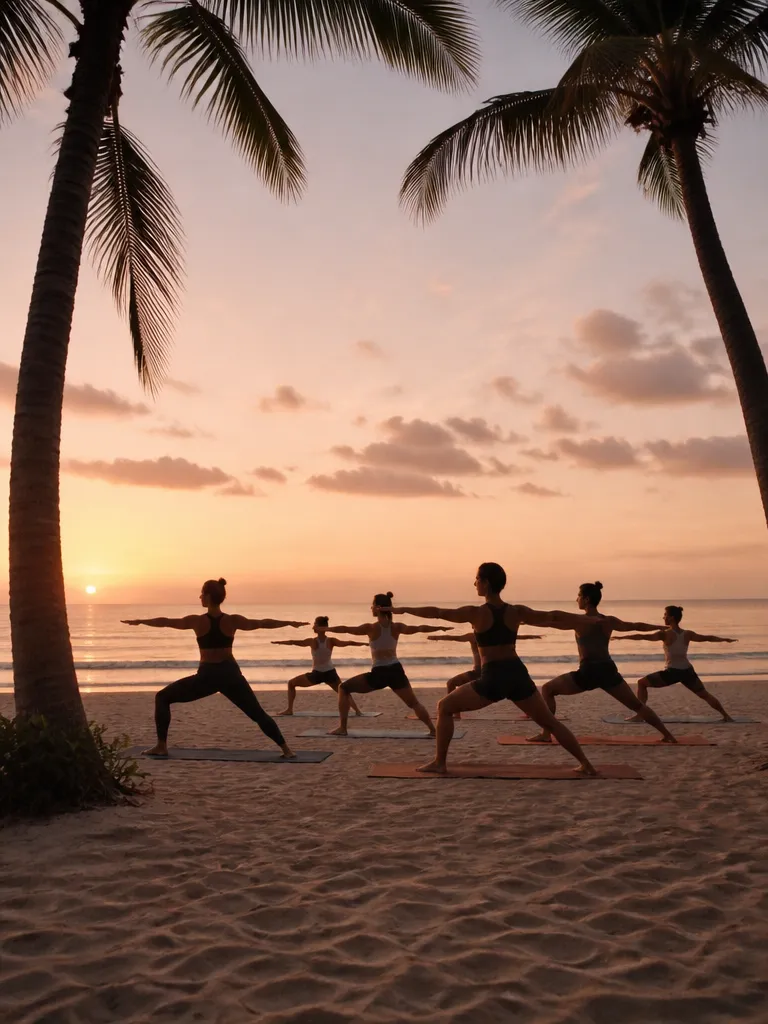
Temporada alta (diciembre–abril): el invierno que todos quierenHigh Season (December–April): The Winter Everyone Wants
De diciembre a abril Miami vive su mejor versión: cielos despejados, máximas de 24 a 29 °C, humedad baja y casi nada de lluvia. Es el clima de las postales, y por eso todo el mundo llega al mismo tiempo: la ciudad se llena de neoyorquinos huyendo del frío y los hoteles cobran en consecuencia — diciembre promedia unos ~$479 por noche, casi el doble que septiembre. La primera semana de diciembre es el caso extremo: Miami Art Week y Art Basel (4–6 de diciembre de 2026 en el Miami Beach Convention Center) disparan tarifas y agotan habitaciones con meses de anticipación. Si vienes en alta, reserva temprano, camina Lummus Park antes de que lleguen las multitudes a media mañana y disfruta: este clima justifica cada dólar.From December through April, Miami is at its postcard best: clear skies, highs of 75–84°F (24–29°C), low humidity, and barely any rain. It's the version everyone flies in for — which is exactly the problem. New Yorkers fleeing winter fill every hotel, and rates respond: December averages around $479 a night, nearly double September's. The first week of December is the extreme case, when Miami Art Week and Art Basel (December 4–6, 2026, at the Miami Beach Convention Center) send prices vertical and sell out rooms months ahead. If high season is your window, book early, walk Lummus Park before the crowds roll in mid-morning, and enjoy it — this weather earns every dollar.
Temporada húmeda (mayo–octubre): calor, aguaceros y gangasWet Season (May–October): Heat, Downpours, and Deals
El verano de Miami es un trato honesto: máximas de 31 a 33 °C, humedad que se siente como una toalla tibia y un aguacero casi diario que suele descargar a media tarde y despejar en menos de una hora. A cambio pagas mucho menos — septiembre es el mes más barato del año, con hoteles promediando ~$228 la noche — y las playas, museos y restaurantes por fin tienen espacio para respirar. El truco es organizar el día como local: playa y caminatas en la mañana, almuerzo largo con aire acondicionado, museo o spa cuando truena, y salir de nuevo al atardecer. El mar está en su punto máximo, 30–31 °C, como agua de tina. Si toleras el calor, es la Miami con mejor relación precio-experiencia.Miami's summer is an honest bargain: highs of 88–91°F (31–33°C), humidity that wraps around you like a warm towel, and a near-daily downpour that usually hits mid-afternoon and clears within the hour. In exchange, you pay far less — September is the year's cheapest month, with hotels averaging around $228 a night — and beaches, museums, and restaurants finally have room to breathe. The trick is structuring your day like a local: beach and walks in the morning, a long air-conditioned lunch, a museum or spa when the thunder rolls in, then back out at sunset. The ocean peaks at 86–88°F (30–31°C), bathwater warm. If you can handle heat, this is Miami's best price-to-experience ratio.
Huracanes: el riesgo real, sin dramaHurricanes: The Real Risk, Minus the Drama
La temporada oficial va del 1 de junio al 30 de noviembre, con pico entre mediados de agosto y mediados de octubre. Seamos honestos: el riesgo existe, pero la probabilidad de que un huracán golpee Miami justo en tu semana concreta es baja, y la ciudad funciona con total normalidad la inmensa mayoría de la temporada. Para 2026, la NOAA pronostica una temporada por debajo de lo normal (8–14 tormentas con nombre) gracias a un El Niño en desarrollo — aunque un solo sistema basta, así que no te confíes. La jugada inteligente: compra seguro de viaje con cobertura de huracán, reserva hotel y vuelos con cancelación flexible, y monitorea el pronóstico del National Hurricane Center desde una semana antes. Con eso, viajar en septiembre u octubre es una apuesta razonable, no una ruleta.The official season runs June 1 through November 30, peaking between mid-August and mid-October. Let's be honest: the risk is real, but the odds of a hurricane hitting Miami during your specific week are low, and the city operates completely normally for the vast majority of the season. For 2026, NOAA forecasts a below-normal season (8–14 named storms) thanks to a developing El Niño — though it only takes one system, so don't get cocky. The smart play: buy travel insurance with hurricane coverage, book hotels and flights with flexible cancellation, and watch the National Hurricane Center forecast starting a week out. Do that, and a September or October trip is a reasonable bet, not a roulette spin.
- Temporada oficial: 1 de junio a 30 de noviembre, con pico entre mediados de agosto y mediados de octubre.Official season: June 1 through November 30, peaking mid-August to mid-October.
- Pronóstico NOAA 2026: temporada por debajo de lo normal (8–14 tormentas con nombre) por un El Niño en desarrollo.NOAA's 2026 forecast: a below-normal season (8–14 named storms) thanks to a developing El Niño.
- La jugada: seguro de viaje con cobertura de huracán, reservas flexibles y pronóstico del National Hurricane Center desde una semana antes.The play: travel insurance with hurricane coverage, flexible bookings, and the National Hurricane Center forecast from a week out.
Sargazo: la variable que cambia cada semanaSargassum: The Wildcard That Changes Weekly
El sargazo — esa alga parda que llega en manchones desde el Atlántico — aparece de forma variable entre primavera y verano, y 2026 viene fuerte: los científicos detectaron niveles inusualmente altos en el sur de Florida este verano y advierten que podría ser un año récord. La honestidad obliga: varía muchísimo por playa y por semana. Un día South Beach amanece limpia y Key Biscayne cargada, y a la semana siguiente se invierte. Los equipos municipales rastrillan las playas turísticas a diario, así que rara vez arruina un viaje completo. Si te toca un día malo, cambia de plan: la piscina del hotel, el spa de Belle Isle o los kayaks del lado de la bahía en Virginia Key, donde el alga casi no entra. En invierno (diciembre–marzo) prácticamente desaparece.Sargassum — the brown seaweed that drifts in from the Atlantic in patches — shows up unpredictably between spring and summer, and 2026 is running heavy: scientists have detected unusually high levels across South Florida this summer and warn it could be a record year. Honesty requires the caveat: it varies wildly by beach and by week. One day South Beach wakes up clean while Key Biscayne is buried; a week later, it flips. Municipal crews rake the tourist beaches daily, so it rarely wrecks a whole trip. If you catch a bad day, pivot: the hotel pool, the spa on Belle Isle, or kayaking the bay side at Virginia Key, where the seaweed barely reaches. In winter (December–March) it all but disappears.
El calendario que dispara los preciosThe Calendar That Sends Prices Soaring
Hay semanas en que Miami duplica tarifas sin pedir perdón, y conviene saberlas antes de reservar. Art Basel toma la ciudad la primera semana de diciembre (feria del 4 al 6 de diciembre de 2026). Ultra Music Festival llena Downtown a finales de marzo — justo cuando Spring Break satura South Beach y la ciudad activa reglas endurecidas en los fines de semana pico: retenes de alcoholemia, controles de seguridad en los accesos a la playa y parqueo a $40–100 en el distrito de entretenimiento. El F1 Miami Grand Prix ocupa los primeros días de mayo en Miami Gardens. Y este 2026, el Mundial: Hard Rock Stadium recibe siete partidos entre el 15 de junio y el 18 de julio, incluidos un cuartos de final y el duelo por el tercer puesto. Si tus fechas chocan con alguno, reserva con meses de anticipación — o córrete una semana.Some weeks, Miami doubles its rates without apologizing, and you want to know them before you book. Art Basel takes over the city the first week of December (the fair runs December 4–6, 2026). Ultra Music Festival packs Downtown in late March — right as Spring Break floods South Beach and the city activates hardened rules on peak weekends: DUI checkpoints, security screening at beach entrances, and $40–100 flat-rate parking in the entertainment district. The F1 Miami Grand Prix claims early May up in Miami Gardens. And in 2026, the World Cup: Hard Rock Stadium hosts seven matches between June 15 and July 18, including a quarterfinal and the third-place game. If your dates collide with any of these, book months ahead — or shift a week.
- Art Basel / Miami Art Week: primera semana de diciembre (feria del 4 al 6 de diciembre de 2026).Art Basel / Miami Art Week: first week of December (fair runs December 4–6, 2026).
- Ultra Music Festival + Spring Break: finales de marzo, con reglas endurecidas y parking de $40–100 en South Beach.Ultra Music Festival + Spring Break: late March, with hardened rules and $40–100 parking around South Beach.
- F1 Miami Grand Prix: primeros días de mayo, en Miami Gardens.F1 Miami Grand Prix: early May, up in Miami Gardens.
- Mundial 2026: siete partidos en el Hard Rock Stadium entre el 15 de junio y el 18 de julio.2026 World Cup: seven matches at Hard Rock Stadium between June 15 and July 18.
Mayo y octubre–noviembre: la jugada maestra (y qué empacar)May and October–November: The Smart Play (and What to Pack)
¿La jugada maestra? Mayo y octubre–noviembre: el clima todavía (o ya) coopera, los precios bajan del pico invernal y las multitudes se disuelven. Noviembre en particular es un secreto a voces — seco, 27–28 °C y tarifas pre-Basel. El mar, por su parte, nunca cierra: baja a unos 22 °C en enero (fresco al entrar, agradable a los cinco minutos) y sube a 30–31 °C entre julio y agosto. ¿Qué empacar? En invierno, ropa de verano más una capa ligera para las noches y el aire acondicionado ártico de los interiores. En verano, telas que respiren, paraguas compacto o impermeable liviano para el aguacero de las 3 p. m., y sandalias que sobrevivan a la lluvia. Todo el año: bloqueador (el sol de enero también quema), lentes oscuros y un outfit arreglado para la noche — en Miami se produce.The master move? May and October–November: the weather still (or already) cooperates, prices drop off the winter peak, and the crowds dissolve. November in particular is an open secret — dry, 80–82°F (27–28°C), and pre-Basel rates. The ocean, meanwhile, never closes: it dips to about 71°F (22°C) in January — brisk on entry, pleasant within five minutes — and climbs to 86–88°F (30–31°C) in July and August. Packing? In winter, summer clothes plus a light layer for evenings and the arctic indoor air conditioning. In summer, breathable fabrics, a compact umbrella or light rain shell for the 3 p.m. downpour, and sandals that survive getting soaked. Year-round: sunscreen (January sun burns too), sunglasses, and one sharp outfit for nights out — Miami dresses up.
Los lugares de esta guíaThe places in this guide
South Beach y Lummus ParkSouth Beach & Lummus Park
La postal definitiva de Miami: arena blanca, casetas de colores y el desfile de Ocean Drive. Llega temprano y quédate hasta el atardecer.Miami's definitive postcard — white sand, candy-colored lifeguard towers and the Ocean Drive parade. Come early, stay for sunset.
Crandon ParkCrandon Park Beach
Tres kilómetros de playa calma protegida por un banco de arena, ideal con niños. El secreto mejor guardado está a un puente de Brickell.Two miles of calm, sandbar-protected beach that's perfect with kids — Key Biscayne's best-kept secret, one causeway from Brickell.
Kayak y paddleboard en Virginia KeyKayak & Paddleboard at Virginia Key
Rema entre manglares con el skyline de Brickell de fondo: alquiler de kayaks, SUP y bicis de trail camino a Key Biscayne. Deporte con vista de película.Paddle through mangroves with the Brickell skyline behind you — kayak, SUP and trail-bike rentals on the way to Key Biscayne. A workout with a movie backdrop.
The Standard Spa, Miami BeachThe Standard Spa, Miami Beach
Hamam, baños de contraste y yoga frente a la bahía en la isla Belle Isle: el templo wellness de Miami desde hace dos décadas. Ideal en pleno Miami Spa Months.Hammam, contrast baths and bayside yoga on Belle Isle — Miami's wellness temple for two decades, extra tempting during Miami Spa Months.
Pérez Art Museum Miami (PAMM)Pérez Art Museum Miami (PAMM)
Arte contemporáneo con jardines colgantes y la mejor terraza frente a la bahía. El edificio de Herzog & de Meuron vale la visita por sí solo.Contemporary art wrapped in hanging gardens with the best bayfront terrace in town — the Herzog & de Meuron building alone is worth the trip.
Frost Science MuseumFrost Museum of Science
Acuario de tres niveles, planetario y ciencia interactiva frente a la bahía: el plan familiar infalible cuando aprieta el calor de julio.A three-level aquarium, planetarium and hands-on science on the bay — the fail-safe family plan when July heat hits.
Preguntas frecuentesFrequently asked
- ¿Cuál es el mejor mes para viajar a Miami?What's the best month to visit Miami?
- Si el presupuesto no importa, de enero a marzo: seco, soleado y 24–28 °C. Si buscas equilibrio, noviembre gana — clima casi perfecto, precios previos al pico y sin multitudes.If budget is no object, January through March: dry, sunny, and 76–82°F. For the best balance, November wins — near-perfect weather, pre-peak prices, and no crowds.
- ¿Es seguro ir a Miami en temporada de huracanes?Is it safe to visit Miami during hurricane season?
- Sí, con matices. La probabilidad de huracán en una semana concreta es baja y la ciudad opera con normalidad casi toda la temporada; el pico real va de mediados de agosto a mediados de octubre. Viaja con seguro de cancelación y reservas flexibles.Yes, with caveats. The odds of a hurricane during any specific week are low and the city runs normally almost all season; the real peak is mid-August to mid-October. Travel with cancellation insurance and flexible bookings.
- ¿Cuándo es más barato viajar a Miami?When is it cheapest to visit Miami?
- Septiembre, seguido de agosto y comienzos de octubre: los hoteles promedian ~$228 la noche frente a ~$479 en diciembre. El ahorro se paga con calor, humedad y el pico de la temporada de huracanes.September, followed by August and early October — hotels average around $228 a night versus roughly $479 in December. You trade the savings for heat, humidity, and the hurricane-season peak.
- ¿Cuándo hay sargazo en Miami?When is there sargassum in Miami?
- Aproximadamente de abril a septiembre, con enorme variación por playa y por semana. Los pronósticos apuntan a un 2026 cargado; en invierno prácticamente desaparece.Roughly April through September, with huge variation by beach and by week. Forecasts point to a heavy 2026; in winter it all but disappears.
- ¿Se puede nadar en Miami en invierno?Can you swim in Miami in winter?
- Sí. El mar baja a unos 22 °C en enero — fresco al entrar, cómodo a los pocos minutos — y muchos días de invierno superan los 24 °C en tierra. Nunca deja de ser nadable.Yes. The ocean bottoms out around 71°F (22°C) in January — brisk at first, comfortable within minutes — and many winter days top 75°F on land. It never stops being swimmable.
- ¿Conviene ir a Miami durante el Mundial 2026?Should I visit Miami during the 2026 World Cup?
- Solo si vas a los partidos. Hard Rock Stadium recibe siete juegos entre el 15 de junio y el 18 de julio de 2026 y los hoteles suben alrededor de esas fechas; si tu plan es playa, corre el viaje una semana lejos de los partidos.Only if you're going to matches. Hard Rock Stadium hosts seven games between June 15 and July 18, 2026, and hotels spike around those dates — if your plan is beach time, shift your trip a week away from match days.